AI Should Understand
African Languages

The problem
Most African languages are barely written online.
Little text
Thousands of languages with almost zero digital presence.
Variable spelling
No standardized orthography for most spoken languages.
Oral tradition
Knowledge is passed through speech, not writing.
Classic AI
No text means the model can't learn.
Our approach
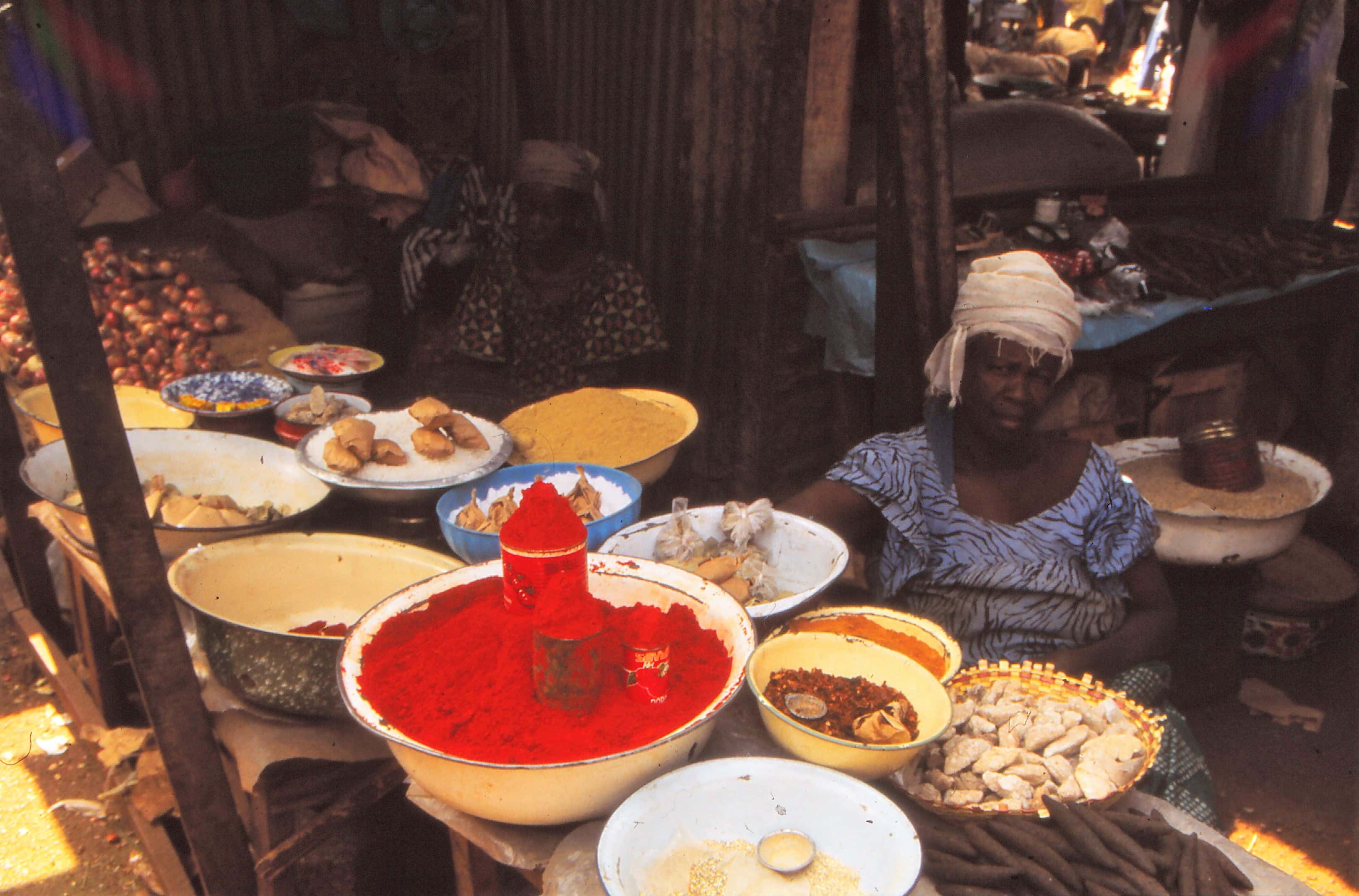
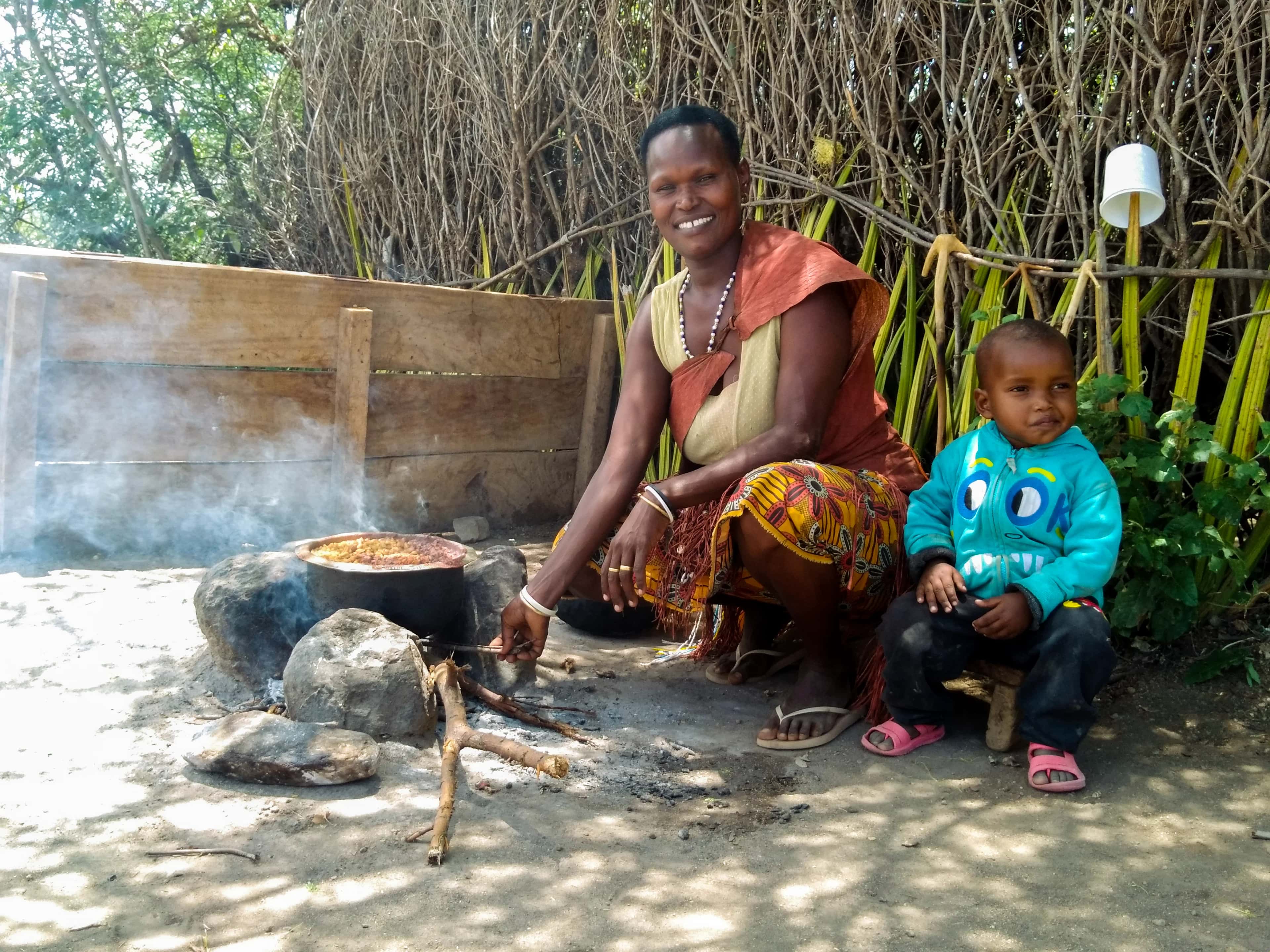
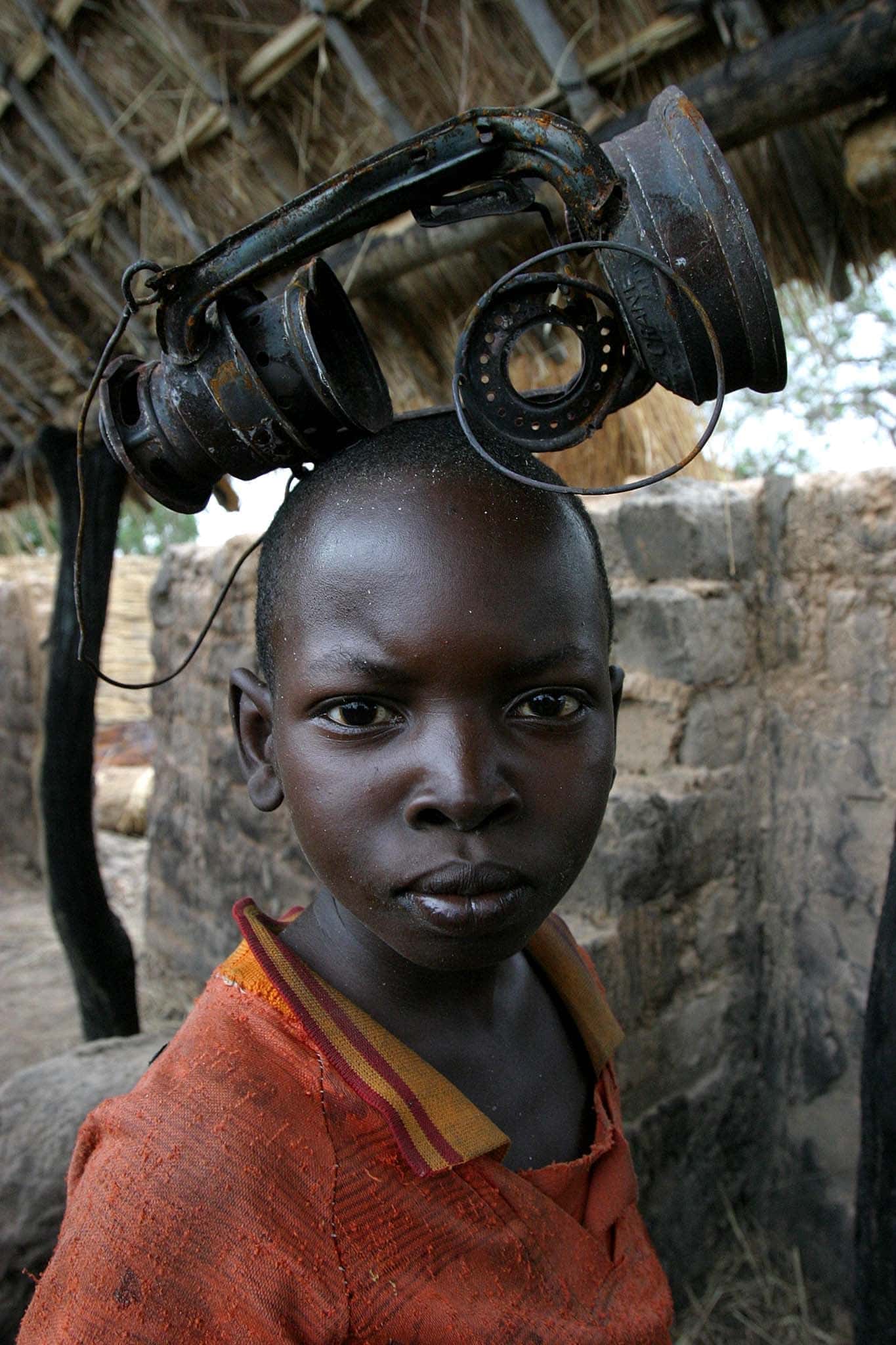
Show a photo. A speaker describes it. The AI learns.
“Most AI models learn languages from text.
But many African languages live in speech.
We learn from the world people see.”
Built with respect
Data that gives back.
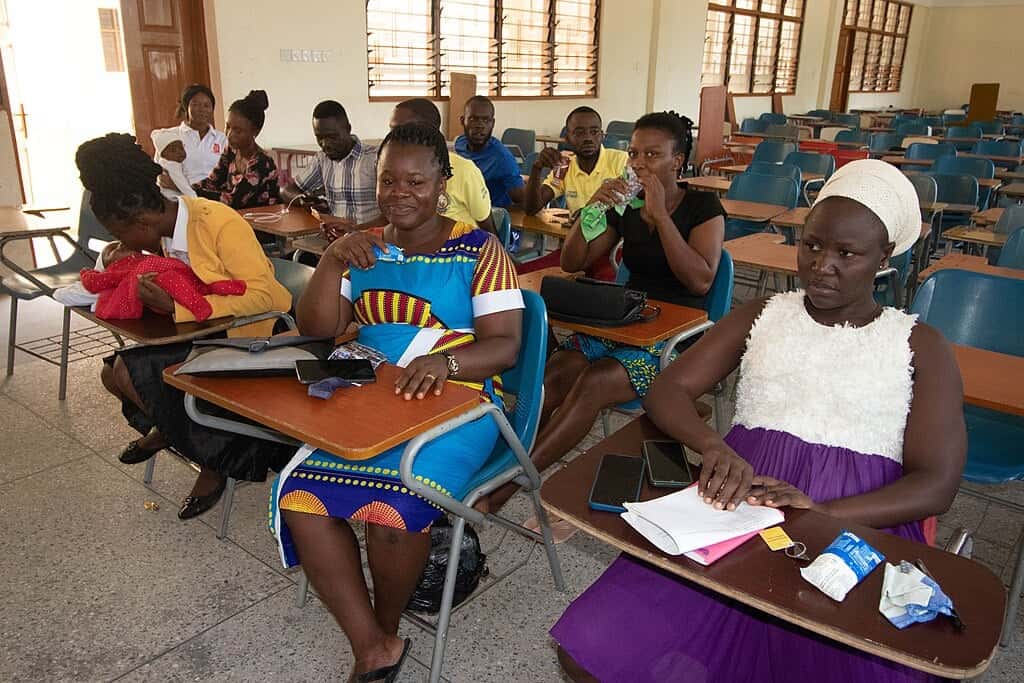
Speakers are paid, not scraped.
Every voice in our dataset belongs to someone who was fairly compensated for their contribution.
Communities own their data.
Linguistic data remains the collective property of the communities it comes from.
Consent is not optional.
Every recording starts with informed, documented consent — no exceptions.
AI should enrich Africa, not extract from it.
Download our datasets
Let's build the next African AI — together.
Tell us what you need. We'll get back to you within 48 hours.
Non-exclusive and exclusive licenses available